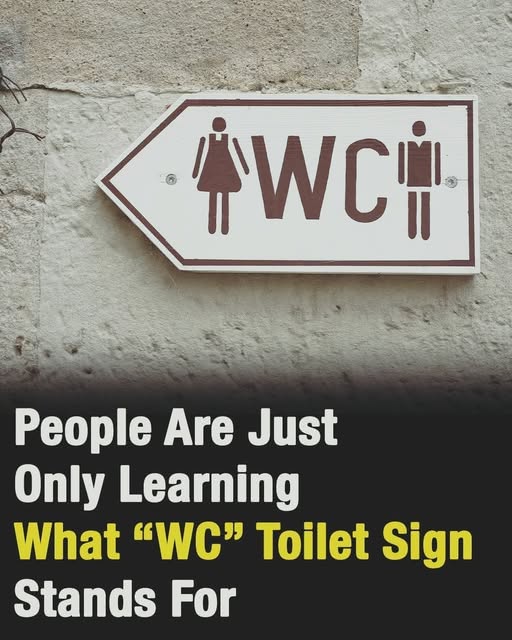
The term “WC” became especially popular in Europe because it provided a neutral, widely understood label that could be recognized across multiple languages. Unlike “bathroom” or “restroom,” which are more culturally specific, “WC” is short, practical, and easy to display on international signage. This is one reason why travelers often see “WC” in airports, train stations, and tourist areas, where clarity and universal understanding are important. It serves as a functional symbol rather than a culturally nuanced word.
Interestingly, the evolution of bathroom terminology reflects not only technological changes but also social attitudes toward privacy and hygiene. In earlier centuries, the act of using the toilet was often considered highly private or even taboo in public discussion. As a result, indirect or euphemistic terms became more common. Words like “restroom” were designed to sound more polite, while “bathroom” originally referred to a room for bathing rather than toileting. Over time, these terms expanded in meaning and became interchangeable in many modern contexts.
In architectural terminology, “water closet” is still used in some countries to describe a separate small room containing only a toilet, often located inside or adjacent to a larger bathroom. This design is especially common in parts of Europe, where separating the toilet from the bathing area is considered more hygienic or practical in shared households. In such layouts, the WC may include just a toilet and sometimes a small sink, while the bathtub or shower is located in a different room.
Language differences also contribute to confusion among travelers. For example, someone from the United States might say “bathroom,” while a visitor from the United Kingdom might say “toilet,” and a Canadian might say “washroom.” Despite these differences, all terms refer to the same general concept: a room containing toilet facilities. The diversity of terms highlights how language evolves based on culture, history, and social habits rather than strict technical definitions.
Online discussions often show how curious people are about these differences. Social media platforms and forums frequently feature conversations where users compare regional terms and share humorous misunderstandings. These discussions highlight how everyday language can vary significantly even among English speakers. What seems normal in one country may sound unusual or even confusing in another, even though the meaning is ultimately the same.
Read more by clicking the (NEXT »») button below!