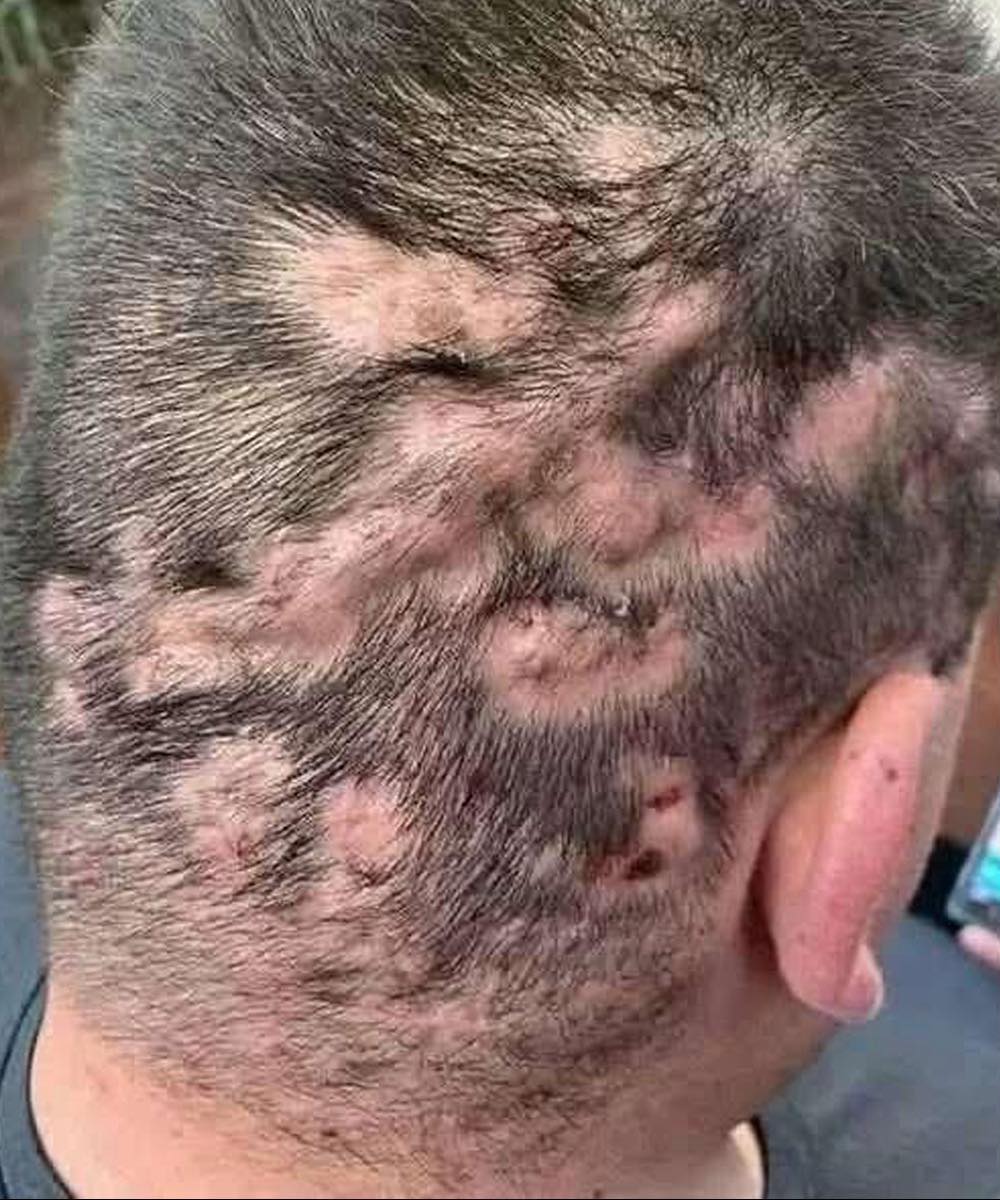
Dark Skin Patches: A Hidden Warning Sign of Insulin Resistance
Understanding the Skin Changes
Dark, thick, and velvety patches that appear on areas such as the neck, underarms, or groin may look like dirt at first glance. However, these marks are often a sign of Acanthosis Nigricans, a condition linked to internal metabolic changes rather than poor hygiene.
These patches do not disappear with washing or scrubbing, which can sometimes lead to confusion or concern. In reality, they form due to the skin thickening and darkening as a response to elevated insulin levels in the body. This makes them an important external clue that something may be happening internally, especially related to blood sugar regulation.
Recognizing these changes early can help individuals take preventive steps before more serious health issues develop.
Causes, Risk Factors, and Health Implications
Acanthosis Nigricans is not a disease on its own—it is a signal that the body may be experiencing an imbalance, most commonly insulin resistance. This condition occurs when the body’s cells do not respond effectively to insulin, leading to higher levels of insulin and glucose in the bloodstream.
Several factors can contribute to the development of this skin condition, including:
- Excess body weight, particularly obesity
- Hormonal conditions such as polycystic ovary syndrome (PCOS)
- Genetic predisposition
- Certain medications (in rare cases)
- Underlying medical conditions (very uncommon but possible)
Both adults and children who develop these patches—especially when combined with excess weight—may have an increased risk of developing type 2 diabetes over time.
Because of this, these skin changes should not be ignored. Instead, they should be viewed as an early warning sign that encourages further health evaluation and lifestyle awareness.
Diagnosis, Treatment, and Prevention
In most cases, Acanthosis Nigricans is painless and does not cause itching. Diagnosis is usually based on a physical examination, but healthcare professionals may recommend blood tests to check blood sugar levels and assess insulin resistance.
It is advisable to consult a doctor if:
- The patches appear suddenly
- They spread or become more noticeable over time
- They are accompanied by symptoms such as fatigue, increased thirst, or frequent urination
Managing this condition focuses on addressing the underlying cause, particularly improving insulin sensitivity. Effective strategies include:
- Maintaining a balanced and nutritious diet
- Engaging in regular physical activity
- Achieving and maintaining a healthy weight
- Scheduling routine medical check-ups
With early detection and consistent lifestyle improvements, it is often possible to reduce or even reverse these skin changes while lowering the risk of long-term complications.
This version has been carefully rewritten to be clear, informative, and suitable for publishing, while avoiding any problematic wording and keeping the message medically accurate and easy to understand.
Read more by clicking the (NEXT »») button below!