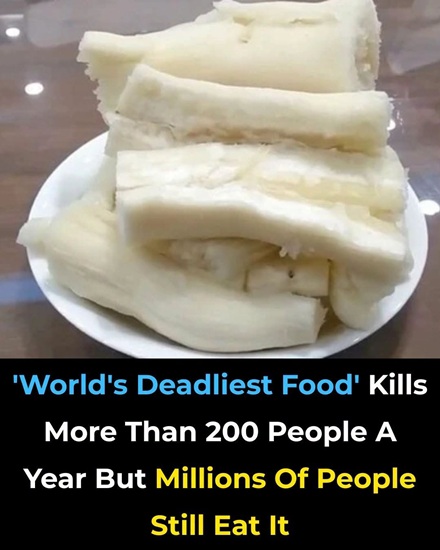
While such incidents are relatively rare compared to the vast number of people who consume cassava safely, they highlight the importance of proper food preparation practices. In extreme cases of famine or displacement, when communities may lack access to clean water, time, or resources for proper processing, the dangers become more pronounced. This is why cassava is often described in scientific literature not as a “dangerous food,” but as a food that requires careful handling to ensure safety.
One of the most serious health conditions associated with long-term or high-level exposure to improperly processed cassava is konzo, a neurological disease that causes sudden and irreversible paralysis of the legs. Konzo is most often observed in regions where cassava is a dietary staple and where protein intake is very low. Protein plays a key role in helping the body detoxify cyanide, and when diets are lacking in essential nutrients, the body becomes more vulnerable to the harmful effects of cyanogenic compounds.
Outbreaks of konzo have been documented in parts of sub-Saharan Africa during periods of extreme food insecurity. Despite these risks, cassava remains an essential food source because of its ability to grow in difficult agricultural environments. It provides a major source of calories for millions of people who might otherwise face hunger. Its versatility allows it to be used in a wide range of foods, including flour, bread substitutes, porridge, and traditional dishes unique to different cultures.
For many communities, cassava is not viewed as dangerous but rather as a dependable and lifesaving crop that ensures survival during periods of hardship. Modern agricultural research has focused on reducing the risks associated with cassava by developing improved varieties with lower levels of cyanogenic compounds
. At the same time, public health campaigns have worked to educate communities about safe processing methods. These efforts aim to preserve cassava’s role as a food security staple while minimizing the health risks associated with improper preparation. Education is especially important in rural areas where cassava is consumed daily and where traditional knowledge plays a key role in food safety practices.
Read more by clicking the (NEXT »») button below!