Part 1: Why Bad Breath Isn’t Always About Your Teeth
You brush your teeth every morning. You might even floss regularly and rinse with mouthwash. Yet, despite all your efforts, that faint but embarrassing odor still lingers when you speak to someone up close.
It can be frustrating and even affect your confidence in social situations. You may start wondering if you’re doing something wrong. But here’s the surprising truth: the source of bad breath is not always your teeth.
In many cases, the real cause lies deeper—inside your throat.
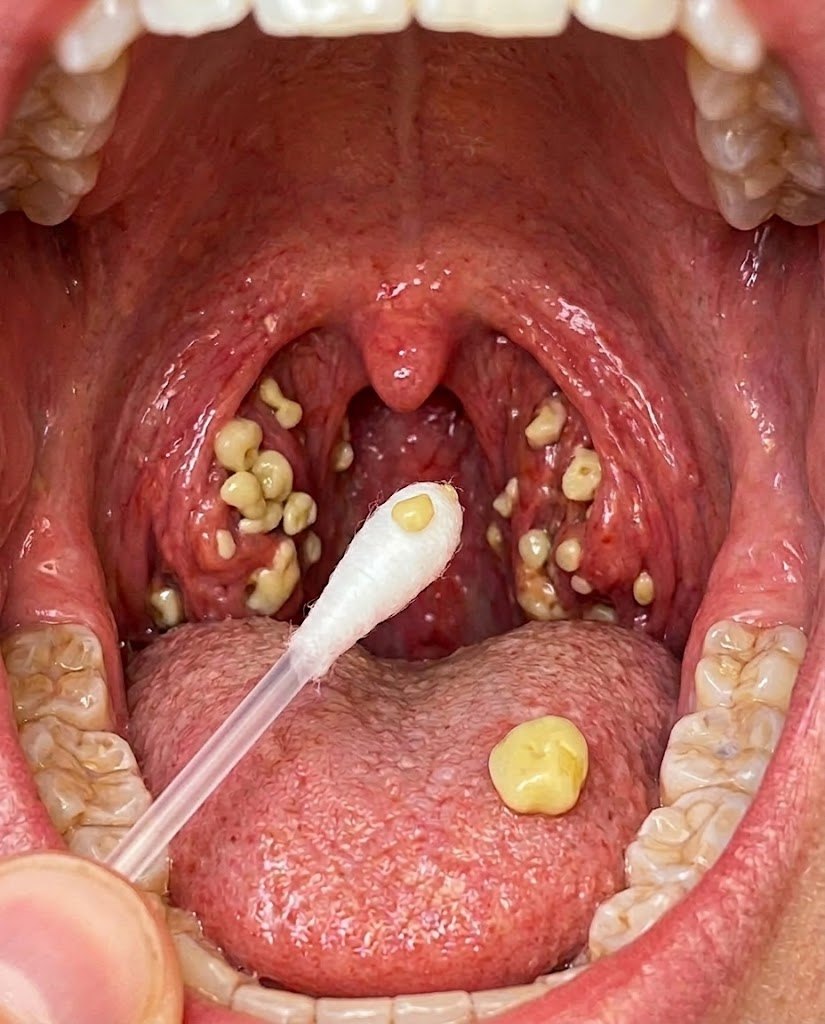
Tonsil stones, medically known as tonsilloliths, are small white or yellowish formations that develop in the tiny crevices of your tonsils, called tonsil crypts. These spaces can trap various types of debris over time, including:
- Food particles
- Dead cells
- Mucus
- Bacteria
When this material accumulates, bacteria begin breaking it down. This process produces sulfur compounds—the same compounds responsible for strong, unpleasant odors.
That’s why bad breath can persist even after thorough brushing.
What makes tonsil stones even more tricky is that many people don’t notice them at first. They can remain hidden until they grow larger or start causing discomfort.
Common signs that may indicate their presence include:
- Persistent bad breath that doesn’t improve with brushing
- A sensation of something stuck in the throat
- Mild discomfort when swallowing
- White or yellow spots at the back of the throat
- A strange or metallic taste in the mouth
In some cases, people may even cough up small, foul-smelling lumps without realizing what they are.
#### Part 2: Why Regular Oral Hygiene Isn’t Always Enough
Most of us grow up believing that brushing and flossing are enough to maintain fresh breath—and while they are essential, they only address part of the problem.
Brushing primarily cleans your teeth and gums. Flossing removes debris between teeth. Even tongue cleaning helps reduce bacteria on the surface of the tongue.
However, tonsil stones form in a completely different area—deep in the throat—where a toothbrush simply cannot reach.
Here’s a simple way to understand it:
| Area | What It Affects | Cleaning Method |
|---|---|---|
| Teeth & gums | Plaque and food debris | Brushing and flossing |
| Tongue | Bacterial coating | Tongue scraping |
| Tonsils | Trapped debris and stones | Specialized care or rinsing |
Because of this, even people with excellent oral hygiene can still develop tonsil stones.
Certain factors can also increase the likelihood of developing them, especially over time:
- Naturally large tonsil crypts
- Frequent throat or sinus infections
- Dry mouth (common with aging or certain medications)
- Low water intake
- Diets high in dairy or sticky foods
As we age, saliva production may decrease. Since saliva plays a crucial role in cleaning the mouth and throat naturally, reduced saliva creates an environment where debris can accumulate more easily.
This explains why some people suddenly experience bad breath issues later in life, even if their habits haven’t changed.
#### Part 3: Simple Ways to Manage and Prevent Tonsil Stones
The good news is that tonsil stones are usually manageable with simple, consistent habits.
Here are some practical and safe approaches you can try at home:
1. Gargle with Warm Salt Water
This helps loosen trapped debris and maintain a cleaner throat environment. Doing this once or twice daily—especially after meals—can be beneficial.
2. Stay Hydrated
Drinking enough water supports saliva production and helps flush out particles before they build up. Small, frequent sips throughout the day are ideal.
3. Improve Your Oral Hygiene Routine
Go beyond brushing your teeth by adding:
- Gentle tongue cleaning
- Alcohol-free mouthwash
- Rinsing your mouth after meals
4. Gentle Removal (If Visible)
If a tonsil stone is visible, some people carefully remove it using a cotton swab. However, this should be done gently to avoid irritation. If you’re unsure, it’s best not to attempt removal yourself.
5. Consider a Water Flosser
A low-pressure oral irrigator can help dislodge debris from the tonsil area safely when used correctly.
If tonsil stones become frequent, painful, or difficult to manage, consulting a healthcare professional is recommended.
To reduce the chances of developing tonsil stones in the future, consider these preventive habits:
- Drink enough water daily
- Maintain consistent oral hygiene
- Address sinus or throat issues early
- Limit foods that may contribute to buildup if they affect you
- Avoid smoking and excessive alcohol
Conclusion
Persistent bad breath is not always a sign of poor hygiene. Sometimes, the real cause lies in places we rarely think about—like the tonsils.
Tonsil stones are common, often unnoticed, and can quietly impact your comfort and confidence. The encouraging part is that with awareness and simple daily habits, you can manage and even prevent them.
Understanding the root cause is the first step toward solving the problem—and now you’re one step ahead.
Frequently Asked Questions (FAQ)
1. Are tonsil stones dangerous?
In most cases, they are not harmful. However, they can cause discomfort and bad breath. If symptoms worsen, it’s best to seek medical advice.
2. Can tonsil stones go away on their own?
Yes, small tonsil stones can dislodge naturally through coughing, swallowing, or regular rinsing.
3. When should I see a doctor?
If you experience persistent discomfort, frequent tonsil stones, or difficulty swallowing, it’s advisable to consult a healthcare professional.
Disclaimer
This article is for informational purposes only and does not replace professional medical advice. Always consult a qualified healthcare provider for any health concerns.
Read more by clicking the (NEXT »») button below!